Listed in: Technology
ChargeNet: Powering Aotearoa’s EV future
CleanTech and sustainability are about providing what we need now, while ensuring future generations inherit a healthy local and global environment they can prosper in.
8 minute read
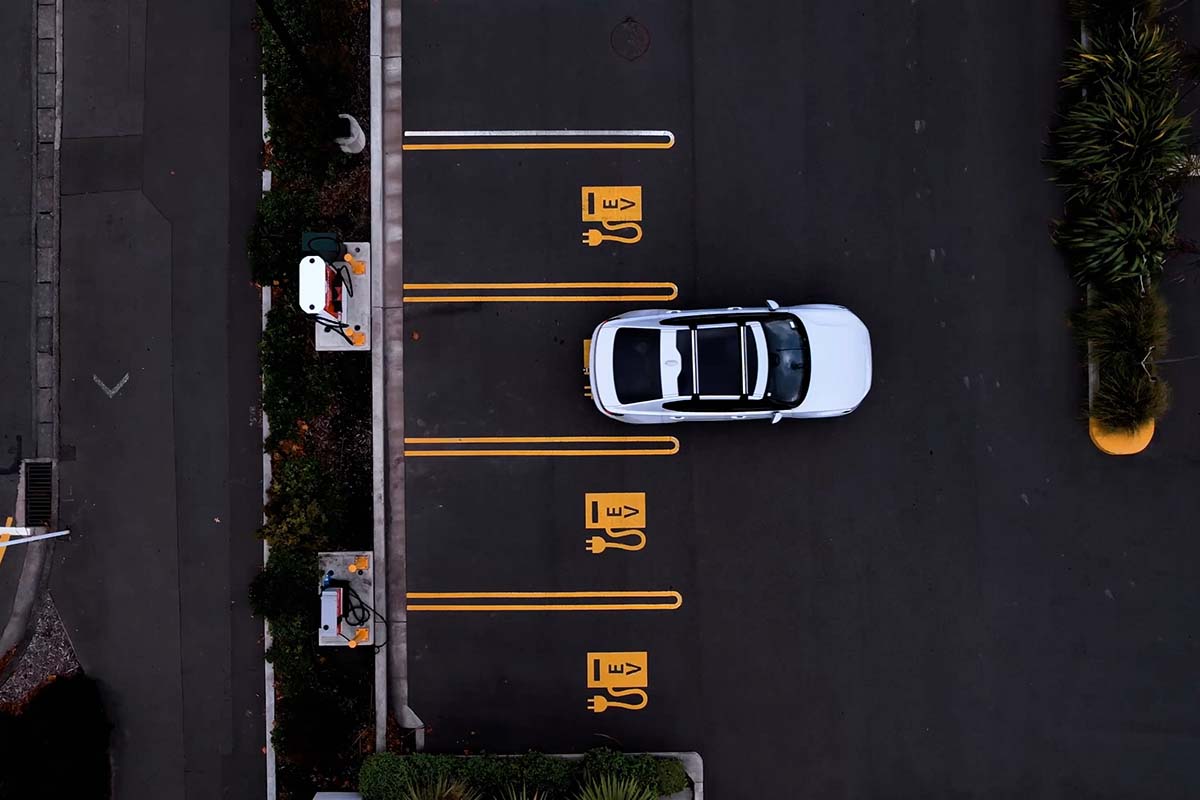
Businesses play an incredibly important role in creating a sustainable future. Currently, the business sector is responsible for 40% of New Zealand’s energy-related emissions. The implementation of sustainable business practices and electrification could see this number drop significantly.
CleanTech businesses, such as ChargeNet, are some of the market-leaders of this change. In ChargeNet’s case, they’re now the leading provider of EV charging solutions across Aotearoa. Their nationwide network consists of 450 fast-charging points, responsible for more than two million charging sessions, and have ambitious plans to expand.
A clean, green New Zealand future
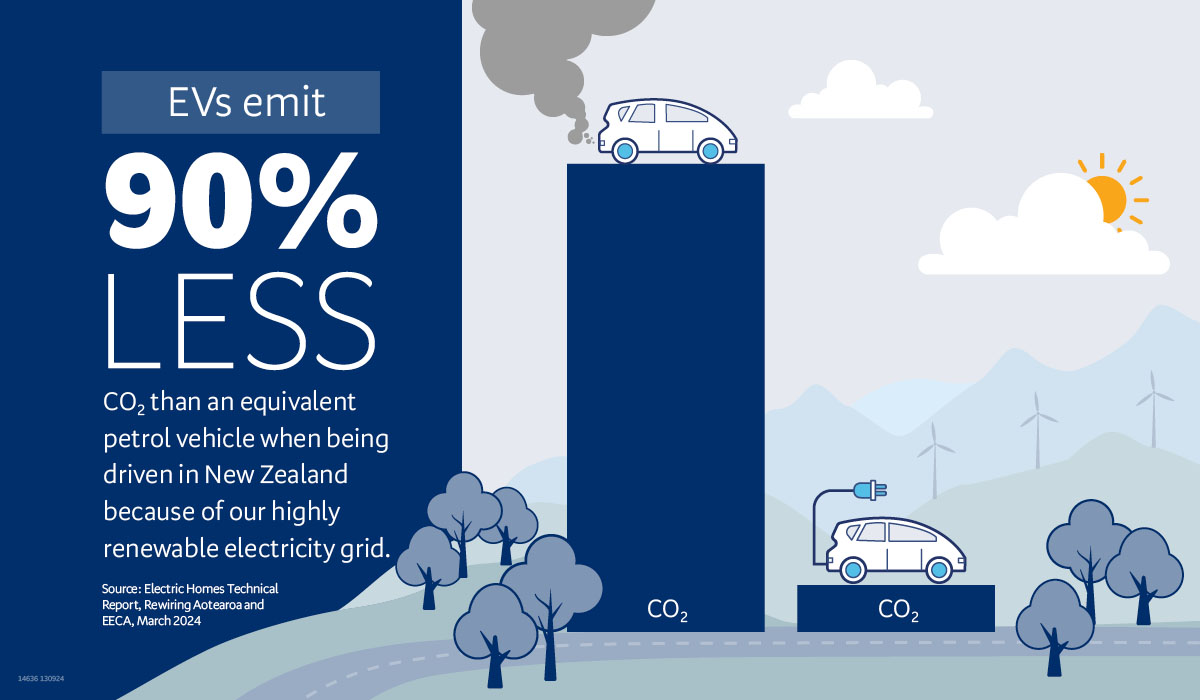
Currently, 14% of New Zealand’s carbon emissions come from light vehicles. Refined petroleum was our most costly import in 2022, at $5.4 billion. By switching to electric vehicles (EVs), we could massively reduce our import costs, while still making all the trips we do now. This is the world ChargeNet wants to help build, and is where their story started.
ChargeNet’s goal and dream
Founded by Steve and Dee West in 2015, ChargeNet’s goal is to make charging simple and accessible. To achieve this, they knew charging technology needed to be user friendly and convenient, allowing New Zealanders to travel the country with confidence.
To drive an EV, you need to be able to charge it. And not just at home – you need other, convenient locations suitable for long or short journeys.
The initial barriers to overcome
When Steve and Dee were starting out, there was a ‘chicken and egg’ issue for EVs. Since there were only a few EVs on the roads, no one wanted to install the costly charging infrastructure for them. And since there were so few charging stations, no one wanted to buy an EV.
ChargeNet charged at the opportunity, aiming to have 74 charging sites across the nation by 2019. As the infrastructure was established the barriers to ownership fell, and EV uptake across New Zealand skyrocketed.
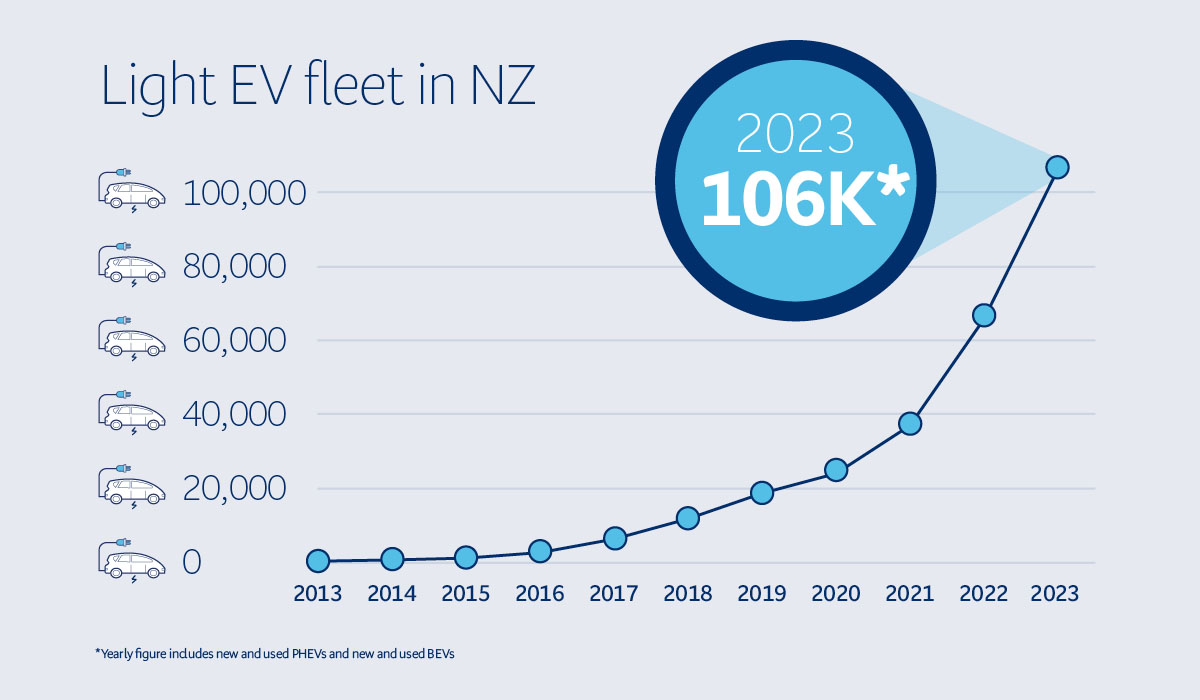
But EV uptake wasn’t the only obstacle ChargeNet faced. Danusia Wypych, who joined ChargeNet as CEO in 2022 (Steve is now Director, and Dee is co-founder), described another challenge the business faced.
This meant bringing the expertise and building capability in-house, including the building of a robust maintenance, monitoring and billing tech platform that would service their network.
Building relationships with partners
At the beginning of the journey, it was about finding people who had the same vision. ChargeNet’s partnerships with businesses, like Foodstuffs, is an example of this.
Not only did it help make EV charging convenient and accessible for people while they’re on the go, but provided ChargeNet with a longer runway to expansion. With 128 charging points live already, this year they reaffirmed this partnership, with a commitment to 80 new charging sites at Foodstuffs supermarkets over the next four years.
Having charging stations at supermarkets, council parks, and around business areas means people can go about their day while making sure their vehicle is ready for the next journey. ChargeNet have worked with councils, community groups and government to achieve this. In recent years, they’ve worked with third party service providers as well.
One partnership ChargeNet knew they needed to get right was picking the correct banking partner. As a start-up, they needed flexibility and wanted a partner who shared their sustainability vision.
BNZ saw what ChargeNet needed and provided it
We understand sustainability and finance are different sides of the same coin. Only through investment in new technology and processes can we begin to transition to a net zero emissions economy.
But we also know supporting Climate and CleanTech businesses requires us to use our experience in market to adapt our funding solutions to suit these businesses. It requires setting clear parameters that allow businesses to achieve their goals rather than restrict them. And it’s not something that can be done alone – it requires a meeting of the minds and working together.
“From the start, we knew we wanted to work with ChargeNet – we liked the industry, the team and long-term vision of the business.” says Charlie Mear, Head of Climate and CleanTech at BNZ.
“We looked to understand their business model, capital strategy and long-term goals, which enabled us to adapt and adjust our existing funding approach and parameters to offer a funding solution that aligned with what they are trying to achieve long term.”
Following the initiation of our relationship with ChargeNet investment has allowed them to set out on their acquisition and expansion including the acquisition of Vector’s public EV charging sites in Auckland, with additional sites to follow.
Our view for a better future
Next for ChargeNet is continuing the growth of their network and working closely with electricity providers to ensure connection to the grid, so it’s able to power many more chargers going forward. EVs and EV charging is a pathway to participating positively in the electricity sector and helping New Zealand achieve its decarbonisation goals.
BNZ is committed to aligning our lending portfolios with pathways to net zero by 2050. We’re committed to working with customers and support their transition to low-emission, resilient business models. And by working together with like-minded businesses, we’re helping to move towards a more sustainable future, and a better New Zealand.
Related articles
Taking the first steps to becoming a sustainably focused small business
Whether you’re a new or established small business, implementing sustainable practices can help reduce your business’s impact on people and planet, manage risk, and attract more customers.
Sustainable foundations paying off for Otis Oat Milk
Driven by its vision for a thriving and vibrant plant-based industry in New Zealand, Otis Oat Milk aims to revolutionise consumer choices without sacrificing taste or tradition.
Cybersecurity essentials for small businesses
With the right preparation and education, protecting your small business from scams and cyber threats doesn’t have to be a scary prospect.
Finance options for business
Find out more
Information current as at the date of publication (13/12/24)
This article is solely for information purposes. It’s not financial or other professional advice. For help, please contact BNZ or your professional adviser. No party, including BNZ, is liable for direct or indirect loss or damage resulting from the content of this article. Any opinions in this article are not necessarily shared by BNZ or anyone else. References to third party websites are provided for your convenience only. BNZ accepts no responsibility for the availability or content of such websites.