Listed in: Technology
Starting an ecommerce channel for your business
Online sales continue to grow. An online shop can offer an additional sales outlet and even help you scale internationally. Get started with these tips.
3 minute read
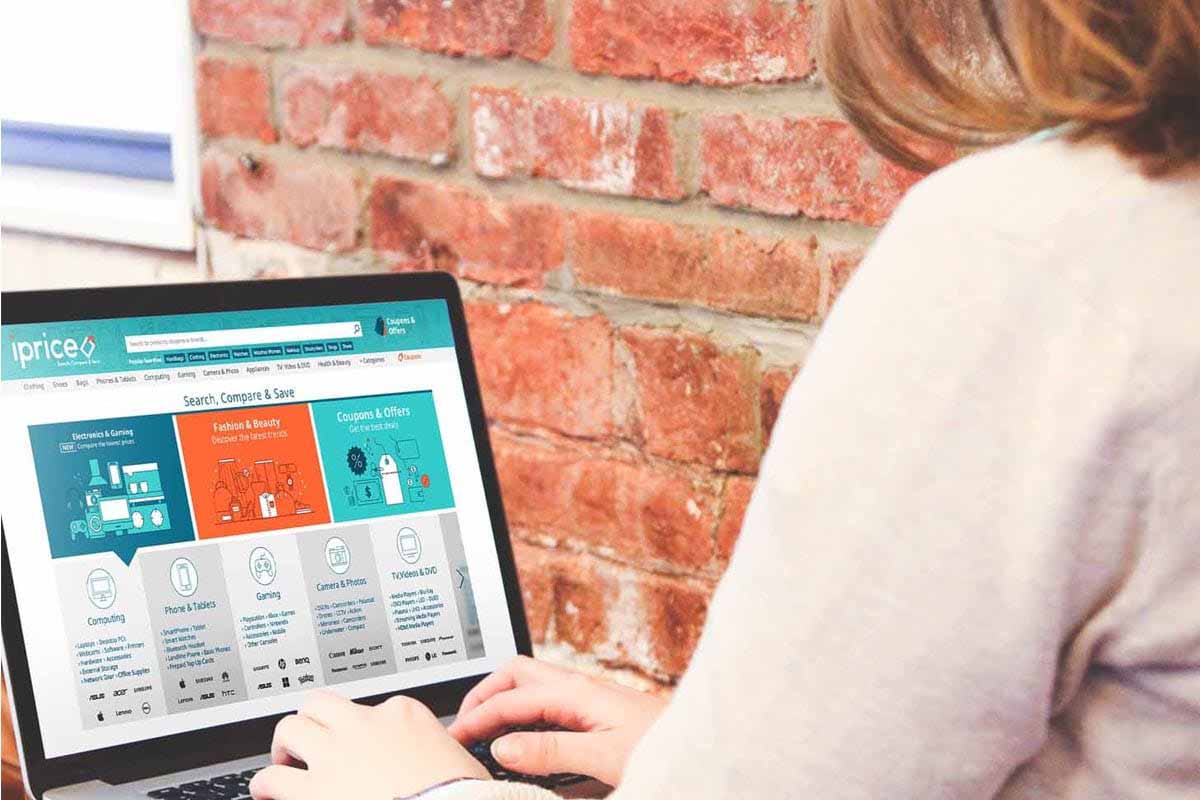
When it comes to shopping online New Zealanders are spending up large. New Zealanders spent $6.07 billion online in 2022 – a figure 20% higher than 2020, and well above pre-pandemic levels.
But getting a slice of that retail-spending pie is just one of a number of benefits businesses can gain from setting up an ecommerce channel. An online shop can offer an additional sales outlet at a fraction of the cost of setting up a brick and mortar store; expose a business to a global audience; offer customers the convenience of shopping 24/7; and be a powerful branding tool.
Functions of an ecommerce channel
At its core an ecommerce channel needs to fulfil a number of requirements. For example, it must allow customers to:
- See your products: ideally it will be easy to navigate, show what you’re selling in its best light with good quality images and offer good product descriptions to limit seller confusion (and returns).
- Select your products with a shopping cart function.
- Pay for your products: there are a number of options to make online payments through ecommerce sites, but an absolute necessity is to ensure all sensitive customer information is secure.
- Receive your products: ideally you will have a simple and clear shipping policy (for example ‘we charge $10 to ship orders under $100; shipping on orders over $100 is free’). You’ll also need to decide if you’ll sell and ship internationally, making clear any restrictions, relevant charges, and the return policy.
A variety of online channel options
In the early days of ecommerce, the time and costs involved made it prohibitive for many small businesses to develop their own online shop. Those days, however, are well and truly over and there are a number of different ways businesses can now sell online that offer a range of cost and customisation options.
- Third-party ecommerce platforms: Trade Me is perhaps our best-known local example of an ecommerce site that hosts other online stores. This can be a relatively simple, and cost-effective means of selling online, although there can be limitations in terms of how your brand and products are presented.
- Ecommerce platforms: providers like BigCommerce allow users to create an online store using simple and flexible templates, generally for an ongoing monthly cost that may also cover additional services that support your business.
- Bespoke design and development: if you want a solution customised to your own specifications you may want to seek the services of specialist ecommerce designers and developers. Like anything customised, this will likely cost much more than an off-the-shelf solution so it pays to research providers carefully.
For small business owners looking to start selling online, the upfront and ongoing charges associated with the different options will be key considerations. But an equally important consideration is the human resource and time involved in opening a new sales channel.
On-going success
Selling online is not a set-and-forget activity, so ensure you allocate it adequate time and budget. An ecommerce store, like a physical one, will require your ongoing attention – whether that’s to ensure product details are kept up-to-date, continuously improving your site so it ranks higher in search engine results, or you’re consistently driving traffic to your site through social media and other marketing activities.
Incremental updates such as tweaks to shipping, packing, etc., can have a huge impact on sales growth. With mobile sales increasing all the time, a mobile-friendly site is a must have. Customer reviews are good way to build trust and increase sales, while adding live chat can also help get customers across the line.
Related articles
Using data to help understand and transform your business
When you understand what data means and begin to utilise it, you’ll be on the path to better understanding your customers and tapping into what makes your business stand out from the rest.
How the cloud can help your small business
Today’s business climate is constantly changing and, as a small business owner, keeping up is crucial to your success. Using cloud base computing solutions can help.
Protect your business from phishing and ransomware
Kiwi businesses are targeted by cyber scammers every day. Phishing emails, as well as ransomware, can steal tens of thousands of dollars with little effort. Here’s how to stay safe.
Getting started in a new business
Banking essentials
This article is solely for information purposes and is not intended to be financial advice. If you need help, please contact BNZ or your financial adviser. Neither BNZ nor any person involved in this article accepts any liability for any direct or indirect loss or damage arising out of the use of, or reliance on, all or any part of the content. References to third party websites are provided for your convenience only. BNZ accepts no responsibility for the availability or content of such websites. Trade Me and BigCommerce are not related companies of Bank of New Zealand. BNZ makes no representation about Trade Me or BigCommerce, their products or services.