Listed in: Understand your money
5 things to think about before you get a credit card
Credit cards can be a good way to manage your money if you know how to use them wisely.
3 minute read
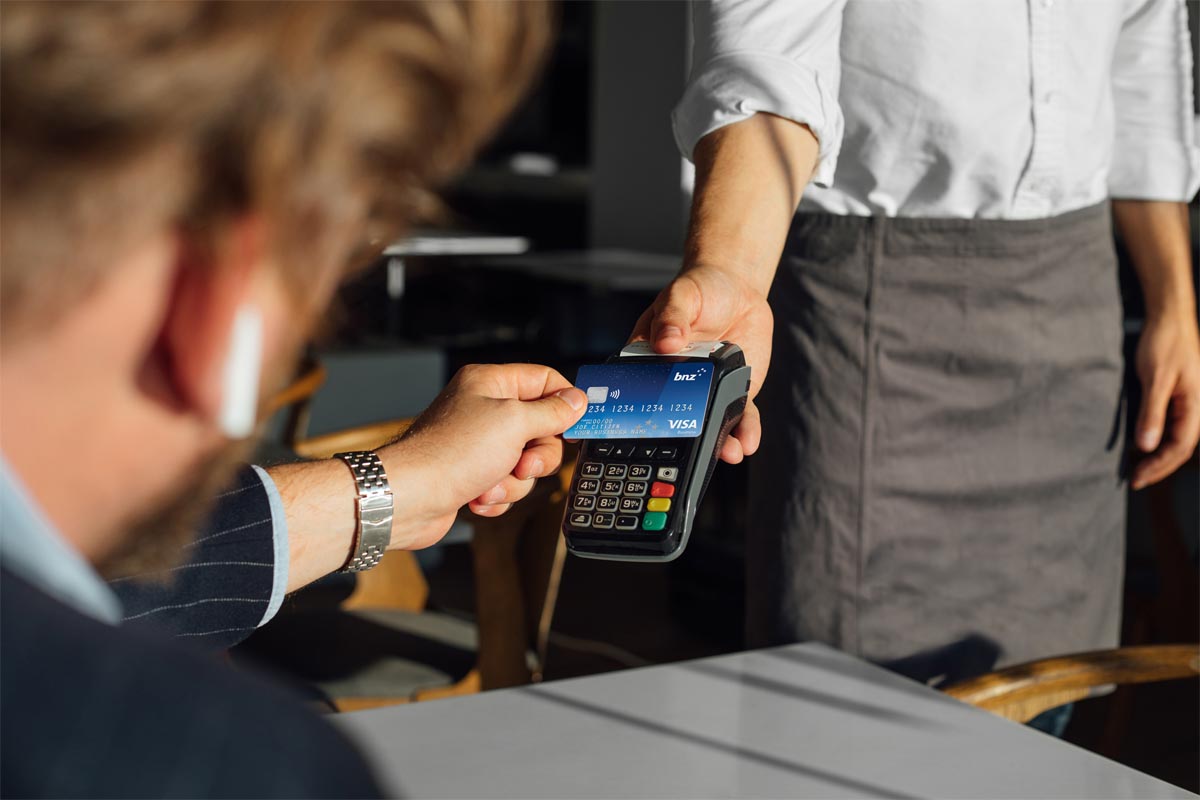
If you’ve been thinking about getting a credit card there are a few things to consider.
1. Make sure you’re already on track with your spending
If you’re looking at getting a credit card, it’s a good idea to make sure you’re already managing your spending well. This means you generally know what’s coming in and going out of your accounts, and you have money left over at the end of each pay.
If you don’t have much to spare, you might want to stick to a debit card that only takes money out of your transaction account, so you’re simply spending what you have.
2. Shop around
If you do decide a credit card is right for you, keep in mind banks tend to have different offerings – make sure you shop around and get the card that best suits your needs. While card providers tend to call their credit cards by different names, they generally fall into two categories.
1. Standard or low-interest rate credit card – this is a credit card that tends to offer a lower rate of interest but usually doesn’t come with any rewards for spending. The account fee and interest charged is usually lower than a rewards credit card, which may be useful if you think there might be times where you can’t pay it back in full every month.
2. Rewards credit card – with a rewards credit card, you can earn points on eligible purchases that can be redeemed for rewards like eGift cards, travel, or cashback. However, the interest rate charged is generally higher. The number of points you earn for every $1 spent varies depending on the card you choose. Plus there are additional perks with some rewards credit cards, such as travel insurance or airport lounge passes.
Whatever credit card you choose, remember to check the interest rate you’ll be charged for each type of transaction, as well as any monthly, annual, or other fees. These costs can differ between credit card providers.
3. Pay off the full amount when it’s due
Try and pay off the full amount you owe on any credit card purchases each month, not just the minimum balance. That way you could avoid paying any interest. Also, try to limit using your credit card to withdraw cash as this can attract a higher interest rate that starts accumulating from day one.
Paying only the minimum balance on your credit card statement each month will mean you may pay interest on the outstanding balance. This means the amount you owe will increase over time.
4. Choose your limit carefully
It might feel good to know you have a source of funds at your fingertips, but be realistic about the limit you set on your credit card. Make sure it fits your borrowing needs.
5. Consider other ways to borrow
There’s no one-size-fits all solution when it comes to financing your purchases. If you want to buy something big, like a car, a credit card may not be the best option for you, and you might want to consider specific car finance, a personal loan or a home loan top-up if you're a home owner.
A personal loan or home loan top-up could also be used to consolidate all your existing debts. That way you can focus on paying back a single amount, and continue to reduce your balance as you pay it off. With a credit card, your limit is always there so you may keep getting tempted to add to what you owe.
Related articles
Getting in control of your credit card
If you find yourself struggling to keep on top of your credit card payments and can never get your balance down, here are seven ways to help you get in control of your credit card debt.
How to get control of your day-to-day finances
Being in control of your day-to-day finances is the first step towards feeling in control of your money.
Five common money mistakes
Managing your finances isn’t always easy. But there are a few things you can do to avoid common money mistakes.
Related products
BNZ low rate card - Lite Visa
BNZ rewards cards
Keep track of your money
Find out more
This article is solely for information purposes and is not intended to be advice with respect to any matter discussed in it. If you need help, please contact BNZ or your professional adviser.
No party, including BNZ, is liable for direct or indirect loss or damage resulting from the content of this article. Any opinions in this article are not necessarily shared by BNZ or anyone else.
Lending criteria, terms and condition and fees apply.